
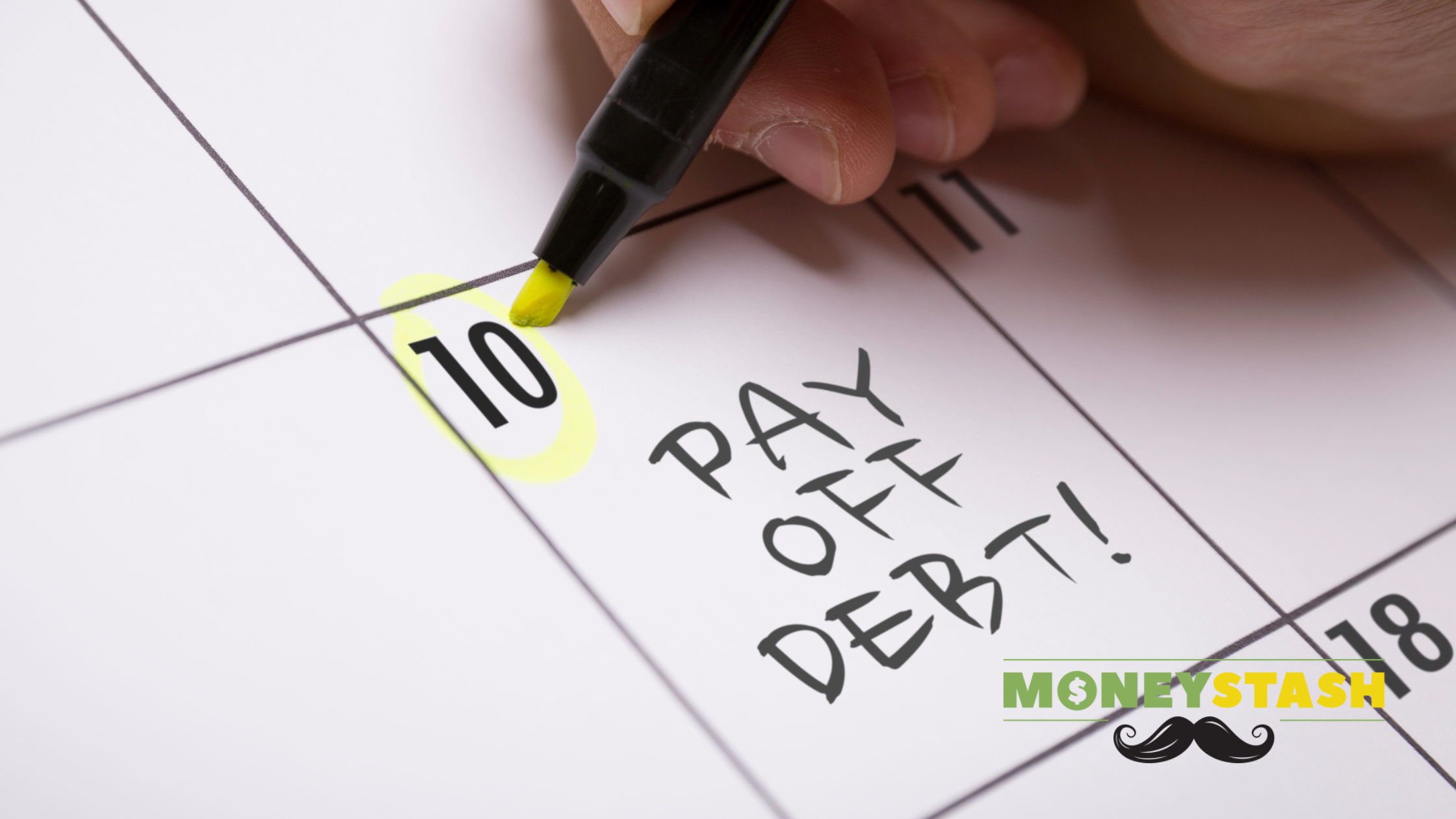
Paying off a loan ahead of schedule sounds like it should always be a good move, and in most cases it is. But a small number of lenders build in a prepayment penalty specifically to offset the interest they lose when a borrower pays early.
Knowing whether a loan carries one matters before signing anything.
Key Takeaways
- A prepayment penalty is a fee some lenders charge specifically for paying off a loan ahead of schedule.
- Prepayment penalties are more common on mortgages and long-term products than on short-term installment loans.
- Federal rules cap or prohibit prepayment penalties on many mortgage types, but short-term installment loans are governed more by the individual loan agreement and state law.
- The fastest way to confirm whether a penalty applies is to read the payoff section of the loan agreement directly.
- Paying off a loan early is generally neutral to positive for a borrower’s credit history, separate from any penalty question.
Why Some Loans Charge a Prepayment Penalty
Lenders collect interest over the life of a loan. When a loan is paid off early, the lender collects less interest than originally expected. Some lenders offset that lost revenue with a prepayment penalty, a fee triggered specifically by paying ahead of schedule.
Prepayment penalties are more common on longer-term products like mortgages and some auto loans, where the gap between early payoff and the original interest expectation is larger. They’re less common, though not universal, on short-term installment products, where the total interest at stake over a shorter term is smaller to begin with.
How Prepayment Penalties Typically Work
Where they do exist, prepayment penalties are usually structured one of a few ways. Some lenders charge a flat fee for paying off the balance early. Others calculate the penalty as a percentage of the remaining balance, which shrinks over time as the loan is paid down. A third approach ties the penalty to a portion of the interest the lender would have collected had the loan run its full term.
Many prepayment penalty clauses also only apply for a limited window, often the first few years of a loan, after which paying early carries no extra charge at all. This is common on mortgages regulated under federal Qualified Mortgage rules, where the penalty period and the maximum amount are both capped and shrink each year the loan is active.
The exact calculation method matters more than borrowers sometimes realize, since two loans with the same stated penalty percentage can produce very different dollar amounts depending on when in the loan term the payoff happens and how the remaining balance is calculated at that point. This is part of why reading the specific clause, rather than relying on a general assumption about how prepayment penalties usually work, is worth the extra few minutes.
Money Stash’s Policy on Early Payoff
Money Stash’s installment loan terms are outlined during the application process and in the loan agreement itself. Applicants should review their specific loan agreement for the exact terms that apply, since terms can vary by state and by individual loan.
As a general practice, borrowers considering early payoff on an installment loan should look at their loan agreement’s payoff section directly rather than assuming any one policy applies universally.
How to Check Before Signing
A few steps make it easy to confirm whether prepayment comes with a cost:
Read the loan agreement’s payoff section. This is usually a short, clearly labeled section near the repayment terms.
Look for the specific phrase “prepayment penalty” or “early payoff fee.” If it isn’t mentioned, ask the lender directly rather than assuming.
Ask before signing, not after. A quick question during the application process avoids any surprise later.
Compare the payoff amount to the remaining balance. A lender or loan servicer can typically provide an exact payoff figure at any point during the loan term.
For a broader consumer-rights reference, the CFPB’s guidance on loan prepayment penalties advises checking the contract and applicable state law directly rather than assuming a penalty applies, since terms vary by lender and by loan type.
What This Means for Different Loan Types
Prepayment rules aren’t uniform across the lending world, and it helps to know where a given loan fits. Mortgages that meet federal Qualified Mortgage standards have prepayment penalties capped by regulation, and many mortgage types allow none at all. Auto loans are governed more by individual state law and the specific contract, with some states prohibiting the practice outright for certain loan types.
Short-term installment loans, like the products Money Stash offers, sit in a different category still. Because the loan term is shorter and the total interest at stake is smaller, prepayment penalties are less common in this space, though the only way to know for certain on any specific loan is to check that loan’s own agreement.
This is also why comparing loan offers side by side benefits from looking past the advertised rate alone. Two loans with similar interest rates can end up costing very different amounts if one carries a prepayment penalty and the other doesn’t, particularly for a borrower who expects to pay off the balance ahead of schedule.
Frequently Asked Questions
Does paying off a loan early hurt a credit score?
Is early payoff always the best financial choice?
How can someone find the exact amount needed to pay off a loan early?
Do all lenders have to disclose a prepayment penalty upfront?
Can a prepayment penalty change after a loan is signed?
What You Should Know
Most short-term installment loans don’t carry a prepayment penalty, but the only way to know for certain is to check the specific loan agreement rather than assume based on what’s common for mortgages or auto loans.
A quick question before signing, or a quick read of the payoff section afterward, settles the question either way. Borrowers with questions about a specific loan agreement or its payoff terms can reach out directly.
Money Stash’s team is available to walk through what an existing loan’s terms look like and answer questions before a decision is made. Contact Money Stash to learn more.